
Fasting is a profound spiritual discipline observed by millions of Nigerians every year. During the holy month of Ramadan and the solemn season of Lent, both Muslims and Christians dedicate themselves to periods of abstaining from food and drink to draw closer to God, practice self-discipline, and reflect on their faith.
However, while the spirit is willing, the physical body must be properly cared for to endure the rigours of fasting safely. In a tropical climate like ours, combined with the daily hustle of Nigerian life, fasting without a proper health strategy can lead to severe dehydration, fatigue, or the exacerbation of underlying medical conditions.
At First Delta American Hospital (FDAH) in Asaba, our priority is your holistic well-being. We believe that spiritual devotion and physical health should go hand-in-hand. Whether you are observing the dry fasts of Ramadan from dawn to dusk or adhering to the dietary sacrifices and partial fasts of Lent, this comprehensive guide will walk you through the medical science of fasting, nutritional best practices, and crucial advice for managing pre-existing conditions like peptic ulcers and diabetes.
Part 1: The Physiology of Fasting – What Happens to Your Body?
Before diving into dietary strategies, it helps to understand what happens inside your body when you stop eating and drinking for extended periods.
The First Few Hours
In the first few hours after your last meal, your body is in the “fed state”. It is actively digesting food and absorbing nutrients. Your blood sugar levels rise, and your pancreas secretes insulin to help transport glucose into your cells for energy.
The Fasting State (8 to 12 Hours)
Once the glucose from your last meal is depleted, your body enters the fasting state. To maintain energy levels, the liver begins breaking down stored glycogen into glucose. This is usually when you might feel the first pangs of hunger or a slight dip in your energy levels.
The Fat-Burning State (12+ Hours)
If the fast continues beyond the depletion of glycogen stores, your body shifts its metabolic gears. It begins to break down stored body fat into fatty acids and ketones to use as alternative energy sources. While this can promote weight management and cellular repair (a process called autophagy), it also requires careful hydration and nutrient replenishment when the fast is broken to prevent muscle breakdown and metabolic stress.
Part 2: General Guidelines for Safe Fasting in Nigeria
The key to a successful and healthy fast lies not in how you restrict yourself, but in what you consume during your eating windows. Here are the foundational rules for safe fasting.
1. Hydration is Non-Negotiable
In the Nigerian heat, dehydration is the most significant risk during fasting, leading to headaches, dizziness, and kidney strain.
- The Water Rule: You must consume at least 2 to 3 liters (about 8 to 12 glasses) of water during your non-fasting hours.
- Pace Yourself: Do not drink all your water at once. Gulping down a liter of water at Iftar or after a Lenten fast will only make you feel bloated and increase frequent urination, flushing out the water before your cells can absorb it. Drink steadily throughout the evening.
- Limit Diuretics: Caffeinated drinks like coffee, strong teas, and certain energy drinks act as diuretics, meaning they make you urinate more frequently, leading to faster dehydration. Swap them out for natural fruit juices (without added sugar) or plain water.
2. The Power of Complex Carbohydrates
When preparing for a fast (such as the Suhur meal in Ramadan), avoid refined sugars and simple carbs like white bread or sugary cereals. These cause a rapid spike in blood sugar followed by a sharp crash, leaving you hungry and exhausted by mid-day.
- Choose Complex Carbs: Opt for foods that release energy slowly throughout the day. Excellent local choices include oats, unripe plantain, brown rice (Ofada), sweet potatoes, and beans.
- Fiber is Your Friend: High-fiber foods aid in digestion and keep you feeling full longer. Incorporate plenty of vegetables like spinach (ugu), waterleaf, and fruits into your meals.
3. Smart Protein Intake
Proteins are essential for maintaining muscle mass and repairing tissues. Ensure your eating windows include high-quality proteins such as lean chicken, fish, eggs, and plant-based proteins like beans and lentils.
4. Avoid Fried and Spicy Foods on an Empty Stomach
Breaking your fast with heavily fried foods (like oily akara or fried yams) or extremely spicy dishes (like pepper soup) can wreak havoc on your digestive system. An empty stomach is highly sensitive; flooding it with grease or intense spices can cause severe acid reflux, indigestion, and bloating. Start gently.
Part 3: Fasting with Pre-existing Medical Conditions
At First Delta American Hospital, we frequently receive inquiries from patients wondering if it is safe to fast with specific health conditions. While faith is paramount, all major religions provide exemptions for the sick. If fasting will cause harm to your body, medical and religious scholars agree that you should abstain.
If you have a chronic condition, you must consult with your physician before beginning any fasting regimen. Here is a guide to managing common conditions.
Fasting with Peptic Ulcer Disease (PUD)
This is one of the most common concerns in Nigeria during fasting seasons. Peptic ulcers are sores that develop on the lining of the stomach, lower esophagus, or small intestine.
- The Risk: When you fast, your stomach continues to produce digestive acids. Without food to neutralize these acids, they can irritate the ulcerated lining, causing severe pain, heartburn, and potentially leading to bleeding or a perforated ulcer.
- Medical Advice: Patients with active, severe ulcers are generally advised not to fast. The risk of complications is simply too high.
- If Your Doctor Clears You: If your ulcer is mild or well-managed, you must take precautions. Never skip your pre-dawn meal or Lenten breakfast. Take your prescribed antacids or proton pump inhibitors (like Omeprazole) exactly as directed by your FDAH physician, usually right before you begin fasting.
- Foods to Avoid: Strictly avoid citrus fruits, spicy foods, carbonated drinks, and tomatoes when breaking your fast, as these can trigger immediate acid flare-ups.
Fasting with Diabetes
Fasting poses significant risks for diabetics, primarily hypoglycemia (dangerously low blood sugar) and hyperglycemia (dangerously high blood sugar).
- Type 1 Diabetes: Patients with Type 1 diabetes, or those with poorly controlled Type 2 diabetes who rely on multiple daily insulin injections, are at a very high risk of severe complications and are universally advised against prolonged fasting.
- Type 2 Diabetes: If your Type 2 diabetes is well-managed with diet or certain oral medications, you may be able to fast, but your medication schedule must be adjusted.
- The Strategy: Visit FDAH before the fasting season begins. Your doctor will likely adjust the dosage and timing of your medications to align with your eating windows (e.g., taking medication at Iftar instead of in the morning).
- Monitoring: You must check your blood sugar levels more frequently during the day. If your blood sugar drops below 70 mg/dL (3.9 mmol/L) or rises above 300 mg/dL (16.6 mmol/L), you must break your fast immediately to prevent a diabetic coma or ketoacidosis.
Fasting with Hypertension (High Blood Pressure)
Patients with high blood pressure can usually fast safely, provided their condition is stable.
- Medication Timing: Most hypertension medications can be taken once or twice daily. Consult your doctor to shift your dosage to your non-fasting hours.
- Dietary Focus: The biggest risk for hypertensive patients during Ramadan or Lent is the diet during the eating windows. Strictly limit salt intake. Avoid processed seasonings, salty snacks, and canned foods, as these can cause blood pressure to spike dangerously.
Pregnancy and Breastfeeding
The nutritional demands of pregnancy and lactation are immense. Fasting can deprive both the mother and the developing baby of essential nutrients and hydration.
- The Consensus: Obstetricians generally advise pregnant and breastfeeding women not to partake in prolonged, dry fasts. Dehydration can reduce amniotic fluid or decrease milk supply, and prolonged fasting can lead to low birth weights.
- Alternative Observances: Focus on spiritual reflection, charity, and prayer, rather than physical fasting, to protect the health of your baby.
Part 4: Specific Strategies for Ramadan
Ramadan requires abstaining from all food and drink (including water) from dawn (Fajr) to sunset (Maghrib).
The Importance of Suhur (The Pre-Dawn Meal)
Never skip Suhur. It is your physical foundation for the day. Waking up simply to drink water is not enough. Eat a balanced meal rich in complex carbs, healthy fats (like avocados or nuts), and proteins. A bowl of oats with milk and a boiled egg is vastly superior to a plate of white rice.
How to Break Your Fast (Iftar) Gently
Follow the prophetic tradition and the medical consensus: break your fast gently.
- Start with Dates and Water: Dates provide an immediate, natural source of glucose to restore your energy, along with potassium to aid hydration. Room temperature water is better than ice-cold water, which can shock an empty stomach.
- Take a Break: After having dates and water, give your stomach 10 to 15 minutes to “wake up” (this is often when evening prayers are observed).
- The Main Meal: Return for a balanced meal. Do not gorge yourself. Overeating at Iftar leads to lethargy, severe indigestion, and weight gain. Fill half your plate with vegetables, a quarter with protein, and a quarter with complex carbs.
Part 5: Specific Strategies for Lent
Lenten fasting varies widely among Christian denominations. It may involve abstaining from meat on Fridays, eating only one full meal a day (usually after 3 PM or sunset), or the “Daniel Fast” (eating only fruits, vegetables, and water).
Managing the “One Meal a Day” (OMAD) Fast
If you are restricting yourself to one meal a day, nutrient density is critical. You cannot afford to fill that single meal with “empty calories” like sodas or pastries. Your single meal must contain a robust mix of proteins, leafy greens, and complex carbohydrates to sustain you for the next 24 hours.
Surviving the Daniel Fast
The Daniel Fast is an excellent way to detoxify the body, but it can lead to a drastic drop in protein and iron intake since animal products are excluded.
- Protein Sources: Rely heavily on beans, lentils, chickpeas, and nuts to maintain your protein levels.
- Iron Intake: Consume plenty of dark leafy greens (like ugu and waterleaf). To help your body absorb the iron from these plants, pair them with a source of Vitamin C, such as a glass of fresh orange juice or bell peppers.
Part 6: Warning Signs – When to Break Your Fast
Fasting should test your discipline, not your physical limits. Pushing through severe medical symptoms is dangerous. You should immediately break your fast, drink water, and seek medical attention at First Delta American Hospital if you experience any of the following:
- Extreme Dizziness or Fainting: A sign of severe dehydration or a drastic drop in blood pressure/blood sugar.
- Severe, Piercing Stomach Pain: A potential indicator of a bleeding or perforated ulcer.
- Disorientation or Confusion: A massive red flag for hypoglycemia.
- Palpitations or Irregular Heartbeat: Could be caused by electrolyte imbalances due to dehydration.
- Extreme Lethargy: Inability to stand up or keep your eyes open.
Frequently Asked Questions (FAQs)
Q: Can I take my medication while fasting? A: Swallowing pills breaks a dry fast (like in Ramadan). If your medication is strictly required during the day, you should not fast. For Lenten fasts that allow water, check with your spiritual leader regarding medication, though medically, you should never skip life-saving drugs.
Q: Will fasting help me lose weight? A: It can, but only if you maintain a caloric deficit. Many people actually gain weight during Ramadan because they overeat calorie-dense, fried, and sugary foods during Iftar and Suhur, completely offsetting the calories burned during the day.
Q: Is it safe to exercise while fasting? A: Yes, but timing is everything. Do not do high-intensity workouts in the middle of a dry fast under the Nigerian sun. The best time to exercise is either an hour before breaking your fast (so you can rehydrate immediately after) or a couple of hours after your evening meal.
Conclusion: Partnering with FDAH for a Healthy Fast
Your spiritual journey this season should bring you peace, not physical suffering. By staying hydrated during off-hours, choosing nutrient-dense local foods, and understanding your body’s specific medical needs, you can observe Ramadan or Lent safely and successfully.
However, generalized advice cannot replace personalized medical care. If you have any pre-existing conditions, or if you simply want a comprehensive wellness check before you commit to a fasting regimen, the medical professionals at First Delta American Hospital in Asaba are here to guide you.
Do not leave your health to chance. Let us help you manage your medications, create a customized dietary plan, and ensure that your body remains as strong as your faith.
Wishing you a blessed, peaceful, and profoundly healthy fasting season from all of us at First Delta American Hospital.
Related Posts
World Cervical Cancer Awareness Month: A Call to Action for Women Everywhere
Every January, the world unites to spotlight an important yet often overlooked health issue—cervical cancer. World Cervical Cancer Awareness Month serves as a reminder of the urgent need for prevention,…
The Ultimate Guide to Building a Healthy Lifestyle: Exercises, Nutrition, and Habits for All Ages
Why a Healthy Lifestyle Matters A healthy lifestyle isn’t about perfection—it’s about sustainable choices that boost physical, mental, and emotional well-being. With rising rates of chronic diseases like diabetes, heart…
World Polio Day: A Step Closer to a Polio-Free World
World Polio Day, celebrated every year on October 24, is a global effort to raise awareness about the fight to eradicate polio. Organized by Rotary International and supported by organizations…
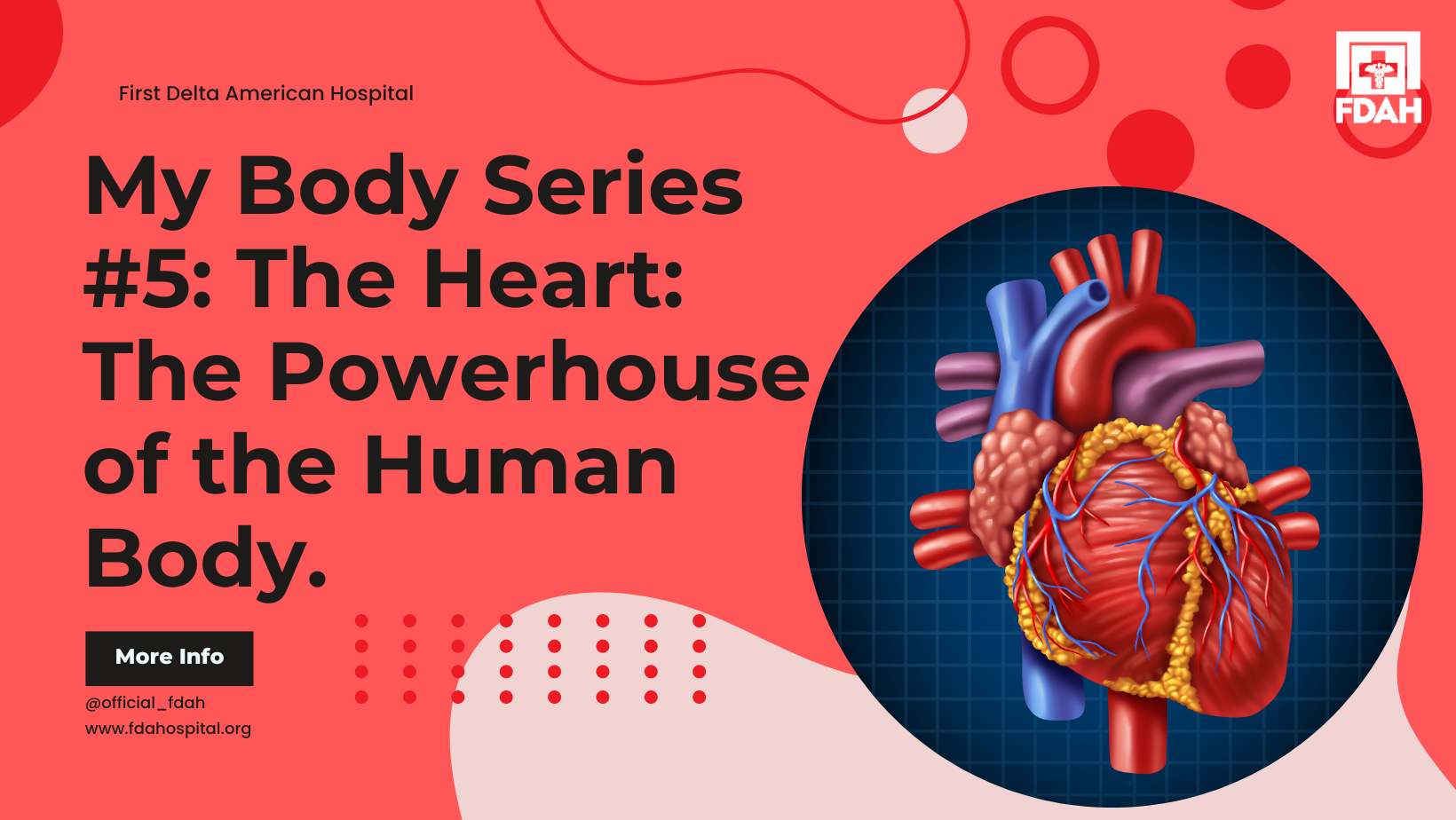
My Body Series #5: The Heart: The Powerhouse of the Human Body
Welcome back to the “My Body” series! In this installment, we’re exploring one of the most vital organs that keeps us alive and thriving: the heart. Often called the powerhouse…