
Obesity has become a growing health concern worldwide, affecting both adults and children. It occurs when a person has excess body fat that may increase the risk of serious health problems. While weight gain can happen gradually over time, understanding the causes and health risks can help people take steps toward obesity prevention and better long-term health.
What Causes Obesity?
Obesity usually develops from a combination of factors rather than a single cause. One of the most common reasons is consuming more calories than the body burns through daily activity. Diets high in processed foods, sugary drinks, and large portion sizes can contribute to weight gain.
Lack of physical activity also plays an important role. When the body does not move enough, fewer calories are burnt, which can lead to weight gain over time. Genetics, certain medical conditions, and lifestyle habits such as poor sleep may also increase the risk.
Health Risks Associated with Obesity
Obesity is linked to several serious health conditions that can affect quality of life. Excess body fat can place strain on the heart and blood vessels, increasing the risk of heart disease and stroke.
It can also lead to insulin resistance, which may result in type 2 diabetes. In addition, obesity is associated with high blood pressure, joint problems, sleep disorders, and some types of cancer. Because many of these conditions develop slowly, early awareness is important.
The Importance of Early Prevention
Preventing obesity is often easier than treating it after it develops. Healthy habits formed early in life can help reduce long-term health risks. This is why education and awareness about nutrition, physical activity, and routine health checks are key parts of obesity prevention.
Regular monitoring of body weight, blood pressure, and blood sugar levels can help identify potential health issues early.
Simple Steps for a Healthier Lifestyle
Small, consistent lifestyle changes can make a big difference. Eating balanced meals that include fruits, vegetables, whole grains, and lean protein supports better health. Reducing sugary drinks and processed foods can also help manage weight.
Regular physical activity, even simple activities such as walking, helps burn calories and improve overall wellbeing. These daily habits play a vital role in obesity prevention and long-term health.
Conclusion
Obesity is a complex condition that can increase the risk of many serious diseases. However, with awareness, healthy habits, and early action, it can often be prevented or managed. Understanding the causes, recognising the risks, and focusing on obesity prevention can help individuals make informed choices that support a healthier future. To read our last blog on fasting during Ramadan and Lent, click on this link: The Ultimate Medical Guide to Safe Fasting During Ramadan and Lent – First Delta American Hospital.
Related Posts

World Rare Diseases Day 2025: “You Can Do More Than You Imagine!”
Introduction: The Power of Collective Imagination Rare diseases affect 300 million people globally, yet fewer than 5% have treatments. In Nigeria, where 1 in 20 individuals live with rare conditions like sickle cell anemia, cystic…
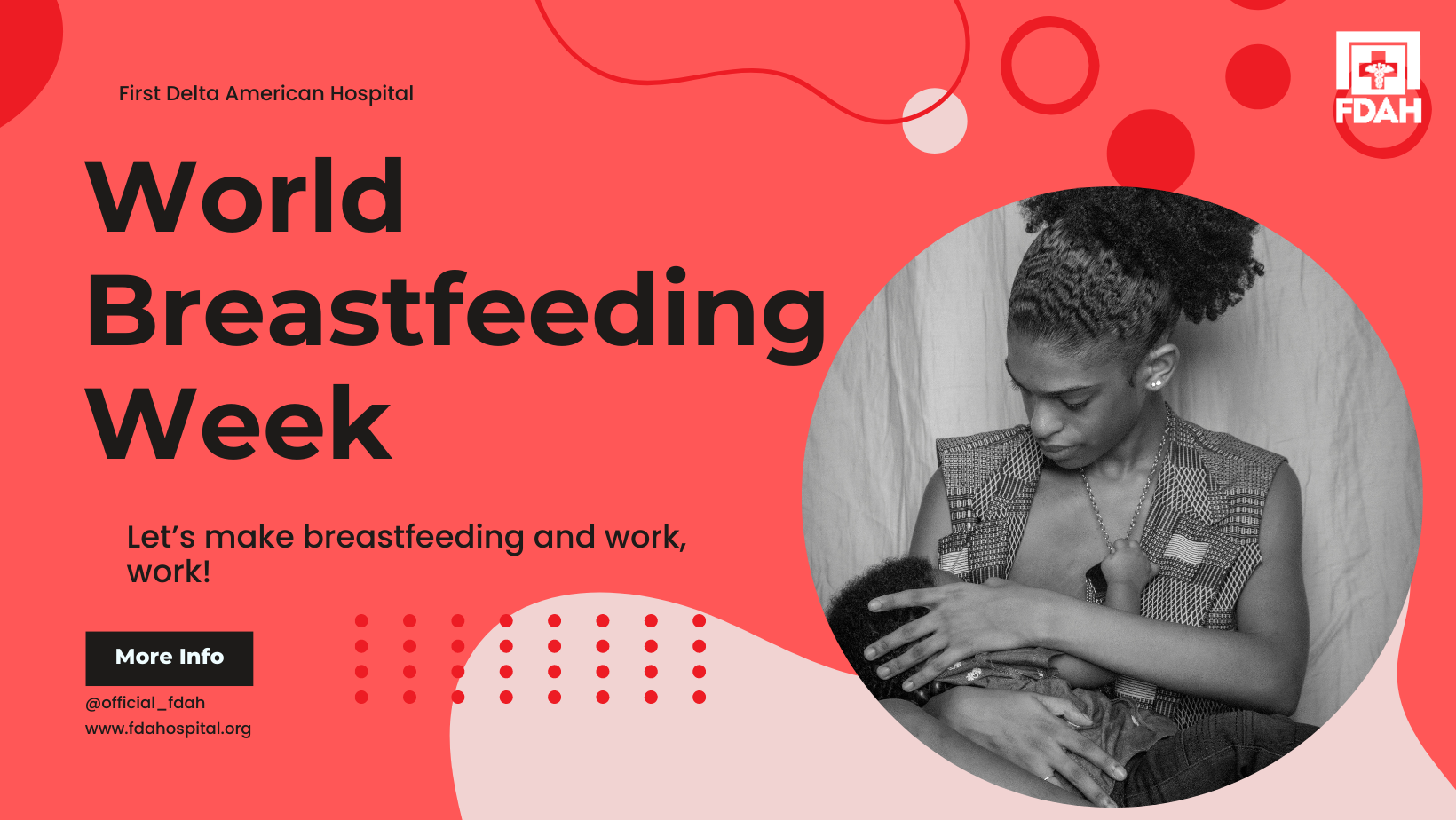
World Breastfeeding Week: Let’s make breastfeeding and work, work!
Hello everyone, and welcome to our weekly blog post! Today we take a look at World Breastfeeding Week, a campaign backed by multiple international organizations that takes place every first…

World Oral Health Day: A Call to Action for Healthier Smiles in Nigeria
The Silent Crisis in Nigerian Smiles Did you know that 9 out of 10 Nigerians suffer from untreated dental issues, ranging from cavities to gum disease? This staggering statistic from the…
World Tuberculosis Day: Uniting Nigeria in the Fight Against a Silent Killer
The Invisible Epidemic Claiming Nigerian Lives Did you know that Nigeria ranks 6th globally in tuberculosis (TB) cases, with over 460,000 new infections and 156,000 deaths annually? Despite being preventable and curable, TB…