
Introduction
Cervical cancer remains a serious health concern for women in Nigeria. Recent estimates show that about 12,000 women are diagnosed with cervical cancer every year in Nigeria, and nearly 8,000 die from the disease, even though it is largely preventable.
One of the main causes of cervical cancer is the human papillomavirus (HPV), a common virus that spreads through skin-to-skin contact. The good news is that HPV vaccination can significantly reduce the risk of infection and help protect future generations.
What Is HPV?
Human papillomavirus, commonly called HPV, is one of the most common viral infections worldwide. Many people will be exposed to HPV at some point in their lives.
There are many different types of HPV. Some types cause harmless conditions like skin warts, while others are considered high-risk because they can lead to cancers, including cervical cancer. Most HPV infections show no symptoms, which is why prevention is so important.
How HPV Leads to Cervical Cancer
Certain high-risk types of HPV can infect cells in the cervix. Over time, the virus may cause changes in these cells, which can eventually develop into cervical cancer if not detected early.
Because these changes often happen slowly and without symptoms, many women may not know they are at risk. Regular screening and HPV vaccination can help prevent these dangerous cell changes from developing.
Why HPV Vaccination Is Important
Vaccines have been developed to protect against the most harmful types of HPV. These types are responsible for the majority of cervical cancer cases worldwide.
Health experts recommend that children and teenagers receive the vaccine before they are exposed to the virus. HPV vaccination works best when given at a younger age because the immune system can build strong protection early.
The Role of Awareness and Prevention
Education plays an important role in preventing cervical cancer. When families understand how HPV spreads and how vaccination works, they are better able to protect their children.
In addition to vaccination, regular cervical screening for women and routine health checkups can help detect early changes before they become cancer.
Conclusion
Cervical cancer is one of the most preventable cancers when the right steps are taken early. Increasing awareness about HPV, encouraging routine screening, and promoting HPV vaccination can help reduce the number of women affected by this disease. Protecting health today can help save lives in the future. To read our last blog post on understanding obesity and its effects, click on this link: Understanding Obesity: Causes, Risks, and Prevention – First Delta American Hospital.
Related Posts

World Oral Health Day: A Call to Action for Healthier Smiles in Nigeria
The Silent Crisis in Nigerian Smiles Did you know that 9 out of 10 Nigerians suffer from untreated dental issues, ranging from cavities to gum disease? This staggering statistic from the…

Kidney Disease in Nigeria: Early Warning Signs
Introduction Kidney disease is a growing health concern in Nigeria, affecting many people each year. Unfortunately, many individuals do not realise they have kidney problems until the disease becomes severe.…
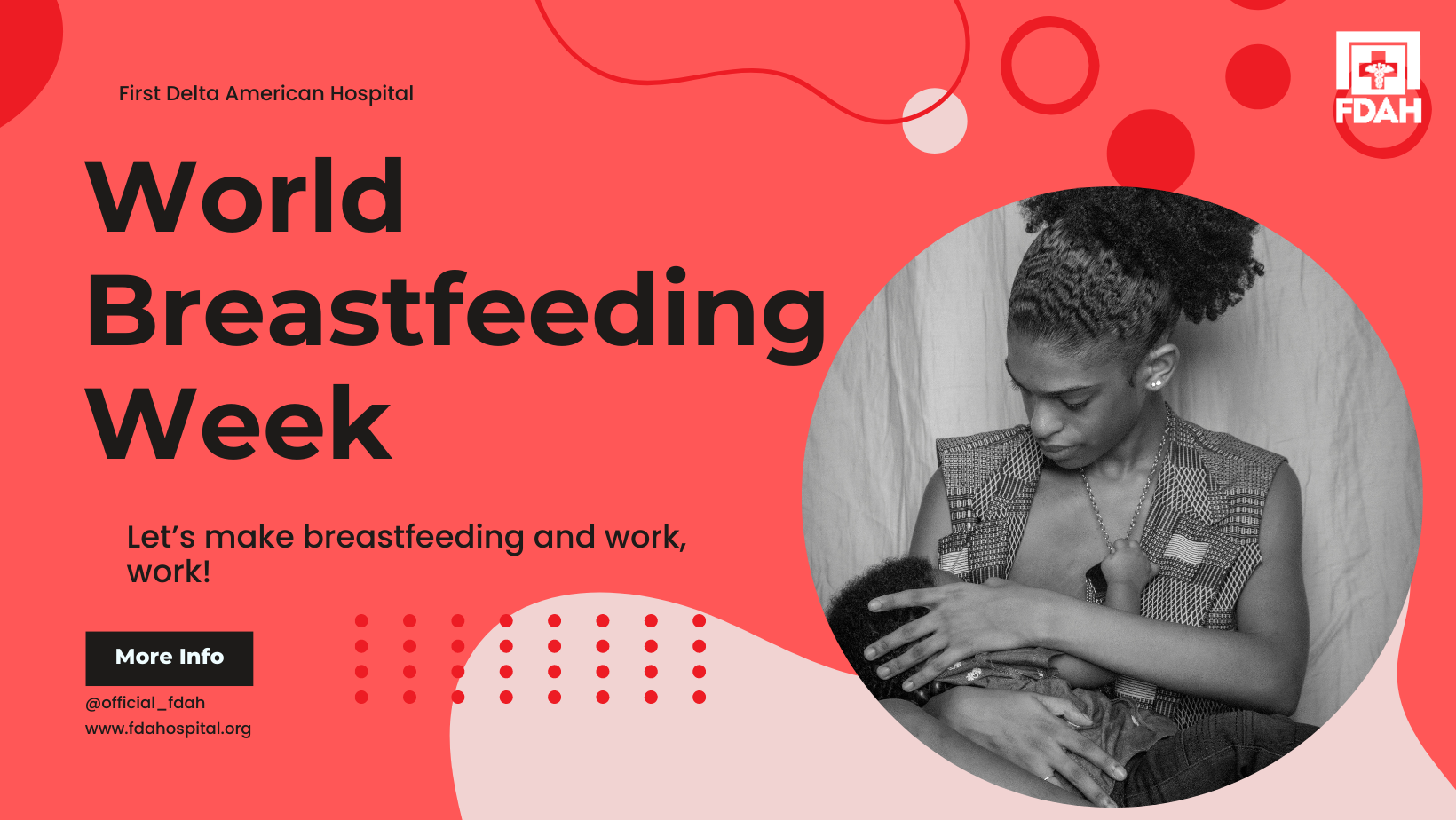
World Breastfeeding Week: Let’s make breastfeeding and work, work!
Hello everyone, and welcome to our weekly blog post! Today we take a look at World Breastfeeding Week, a campaign backed by multiple international organizations that takes place every first…

Common Health Myths
Introduction In many Nigerian homes, health advice is often passed down through family, friends, or even what we see online. While some of it may help, not everything is accurate.…