
What Is Intermittent Fasting and Why Does It Matter?
Intermittent fasting (IF) has surged in popularity as a dietary strategy for weight management and metabolic health. Unlike traditional calorie-restriction diets, IF focuses on when you eat rather than what you eat. Research shows that IF can be as effective as daily calorie counting for weight loss and may improve cardiometabolic markers like blood sugar, cholesterol, and inflammation. However, approaching IF without guidance can lead to pitfalls like nutrient deficiencies, muscle loss, or unsustainable habits. At First Delta American Hospital, our clinical nutrition team has curated evidence-based tips to help you fast safely and effectively.
Tip 1: Choose the Right Fasting Method for Your Lifestyle
Not all IF approaches are created equal. The key is selecting a method that aligns with your daily routine, health status, and goals.
Common IF Methods Supported by Research:
- 16:8 Time-Restricted Eating: Fast for 16 hours daily (e.g., eat between 12 PM–8 PM). Ideal for beginners and linked to improved insulin sensitivity.
- 5:2 Diet: Eat normally for 5 days; restrict calories to 500–600 on 2 non-consecutive days. Shown to reduce body weight by 4–10% in overweight individuals.
- Alternate-Day Fasting: Fast every other day. The most effective for short-term weight loss (1.3 kg greater loss than calorie restriction) but harder to maintain.
Why This Works: Matching your method to your lifestyle increases adherence. A 2024 umbrella review of 99 trials found that personalized IF plans led to sustained weight loss and better metabolic outcomes.
Tip 2: Prioritize Nutrient-Dense Foods During Eating Windows
Fasting isn’t a license for poor nutrition. During eating windows, focus on balanced meals to avoid deficiencies and support metabolic health.
Key Dietary Recommendations:
- Protein-Rich Foods: Preserve muscle mass during fasting. Aim for 1.6–2.2 g/kg of body weight (e.g., lean meats, legumes).
- High-Fiber Carbohydrates: Stabilize blood sugar. Choose whole grains, vegetables, and low-glycemic fruits.
- Healthy Fats: Support hormone function. Include nuts, avocados, and olive oil.
Science Behind It: Studies show that IF paired with nutrient-dense diets reduces LDL cholesterol by 20% and triglycerides by 23% compared to unrestricted diets. Avoid ultra-processed foods—they undermine IF’s benefits by spiking insulin and promoting inflammation.
Tip 3: Monitor Health Markers and Adjust as Needed
IF affects everyone differently. Regular monitoring helps tailor the approach and mitigate risks.
Critical Metrics to Track:
- Blood Glucose: Especially important for diabetics. IF can lower fasting insulin by 21% but may cause hypoglycaemia in some.
- Lipid Profiles: IF often improves LDL and HDL cholesterol, but individual responses vary.
- Body Composition: Use DEXA scans or bioimpedance scales to ensure fat loss, not muscle loss.
When to Pause or Stop:
- If you experience dizziness, extreme fatigue, or irregular menstruation.
- If you have underlying conditions like diabetes, hypertension, or a history of eating disorders. Consult a healthcare provider before starting IF.
Tip 4: Combine IF with Exercise and Behavioral Strategies
Maximize IF’s benefits by integrating it with holistic lifestyle habits.
Synergistic Practices:
- Resistance Training: Prevents muscle loss. Aim for 2–3 sessions weekly.
- Hydration: Drink water, herbal tea, or black coffee during fasts to curb hunger and avoid dehydration.
- Mindful Eating: Avoid overcompensating with large meals post-fast. Use apps like Zero or Simple to track eating windows.
Why It Matters: A 2025 study found that IF combined with exercise improved cardiometabolic health 40% more than IF alone. Behavioural support (e.g., counselling or digital tools) also doubles long-term adherence rates.
Who Should Avoid Intermittent Fasting?
IF isn’t safe for everyone. Avoid it if you:
- Are pregnant, breastfeeding, or under 18.
- Have a history of eating disorders or low BMI.
- Take medications like insulin or blood thinners 415.
Always consult a healthcare provider before starting IF—our nutrition team at [Hospital Name] offers personalized assessments to ensure safety.
Conclusion: Fast Smart, Not Just Hard
Intermittent fasting can be a powerful tool for weight management and metabolic health when practiced correctly. By choosing the right method, eating nutrient-dense foods, monitoring your body’s responses, and integrating exercise, you can harness its benefits while minimizing risks. At [Hospital Name], we’re committed to helping you achieve sustainable health through science-backed strategies.
Ready to Start? Schedule a consultation with our registered dietitians to create a personalized IF plan tailored to your needs.
FAQ Section
Q: Will IF slow my metabolism?
A: No. Short-term fasting boosts metabolism by 3–14% via norepinephrine release.
Q: Can I drink coffee during fasts?
A: Yes—black coffee or tea without sugar/cream is safe and may suppress appetite.
Q: How long until I see results?
A: Most studies show significant weight loss and metabolic improvements within 8–12 weeks.
Q: Is IF better than calorie counting?
A: Both are equally effective for weight loss, but IF may be easier for some to maintain.
Related Posts

Sun Safety Tips: Protecting Your Skin and Health in the Summer Sun
As we get ready to welcome the warm embrace of July (June went by in a flash), many of us are eager to soak up the sun's rays. The long…
World Alzheimer’s Month: The Importance of Research and Raising Awareness
Every September, the world comes together to observe World Alzheimer’s Month—a global campaign dedicated to raising awareness about Alzheimer’s disease and other forms of dementia. This month-long initiative encourages us…
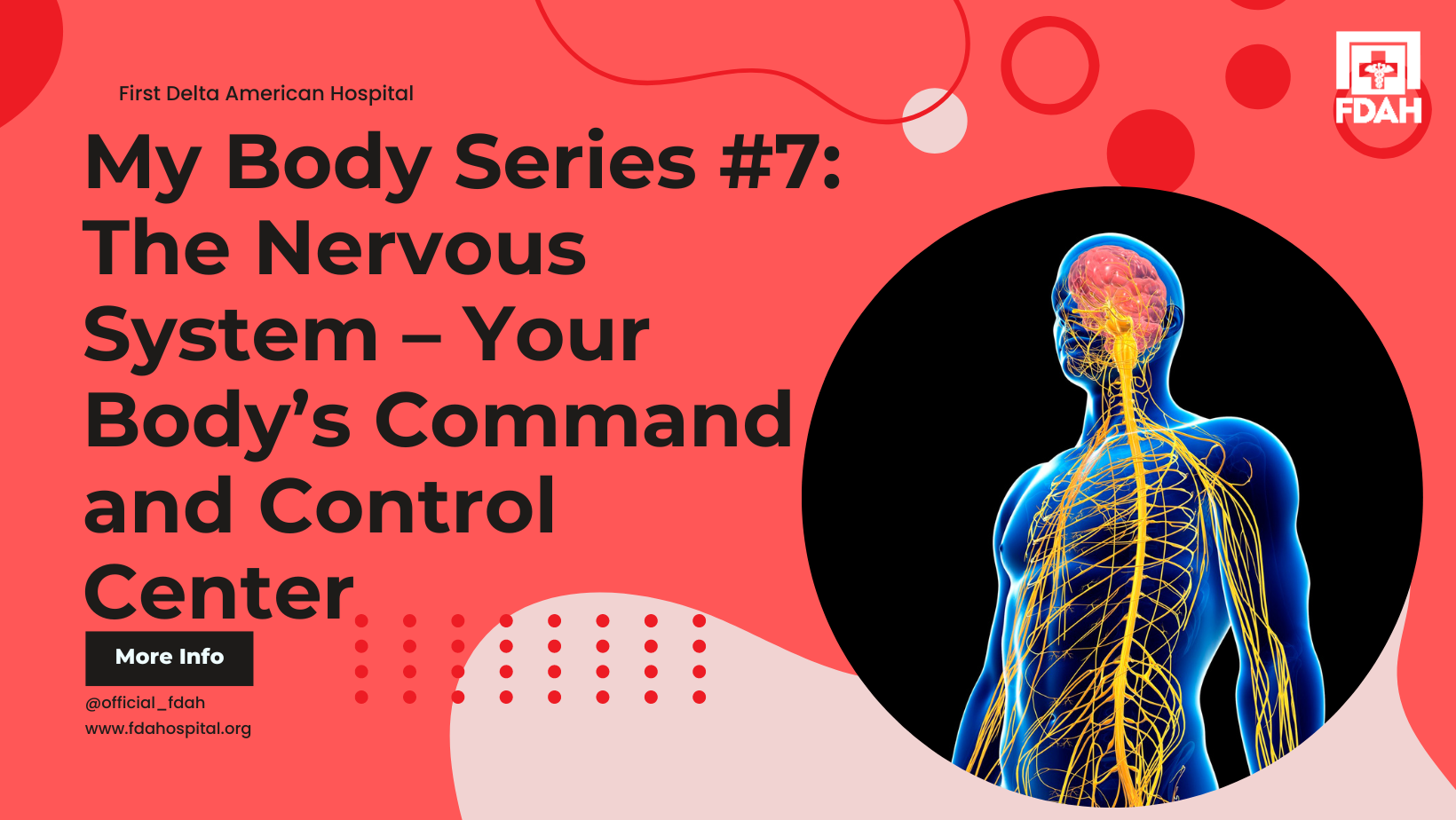
My Body Series #7: The Nervous System – Your Body’s Command and Control Center
Welcome to the seventh installment of the "My Body" series, where we explore the fascinating systems and organs that make up the human body. Today, we're diving into one of…
World Lung Day 2024: Clean Air and Healthy Lungs for All
Every year, World Lung Day, observed on September 25th, serves as a crucial reminder of the importance of lung health and the global challenges we face in achieving it. For…